For a child with medical complexity, the family is the care system
Insights from Episode 20 of the Unleashed: Redesigning Health Care podcast.
9/3/2026
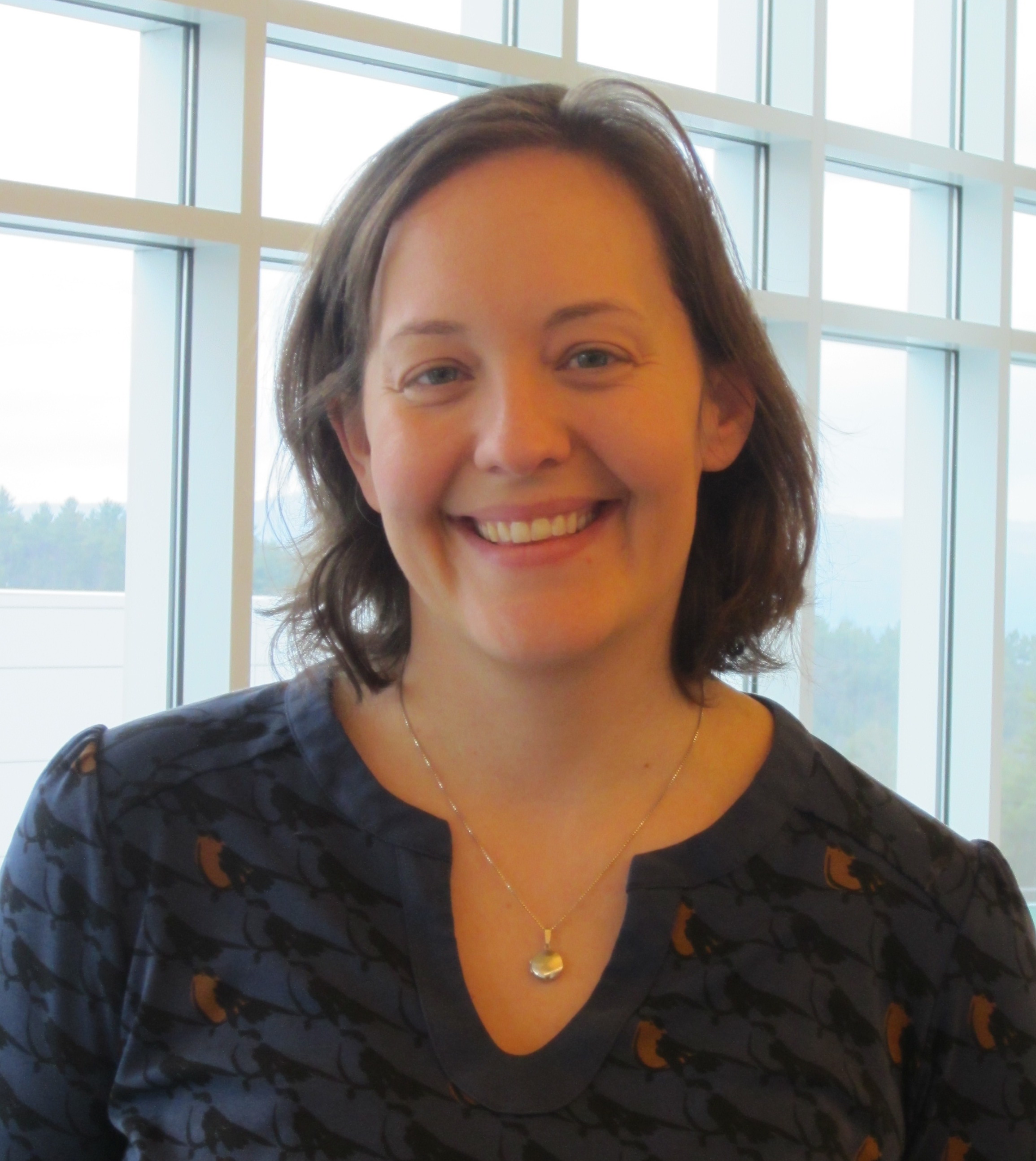
Annie Hoen is an associate professor of epidemiology and biomedical data science at Dartmouth's Geisel School of Medicine, where she studies how early-life environments shape the microbiome and the risk of disease. But more relevant for this conversation, she is also the mother of a son with medical complexity.
Children with medical complexity are those who live with one or more chronic, serious conditions, often affecting several body systems at once. What defines this population is less any single diagnosis than the combination of significant functional limitations, reliance on medications or medical technology, high use of the health system across many specialists and settings, and substantial support needs for the whole family. It's a clinical category built around the reality that these children's needs cut across medicine, daily function, and family life all at the same time.
On this compelling episode of Unleashed, Hoen describes what a decade of caregiving has looked like from her perspective, and how the health system for these children relies on family-delivered labor and care.
The family is part of the patient
We tend to build services and measure outcomes around the child: specialist access, covered equipment, a treatment plan. Hoen's argument is that this misses most of the picture. Families provide the majority of the direct care and nearly all of the coordination, so their unmet needs and the child's unmet needs are the same thing. As she puts it, you can think of the unmet needs of the family as being, by definition, part of the unmet needs of the child.
That includes people we rarely account for at all. Siblings absorb stress and sometimes trauma while parents are stretched across everyone at once. A model of care that stops at the patient's chart will never see any of this, which means it will never address it.
The heaviest burden is administrative, not medical
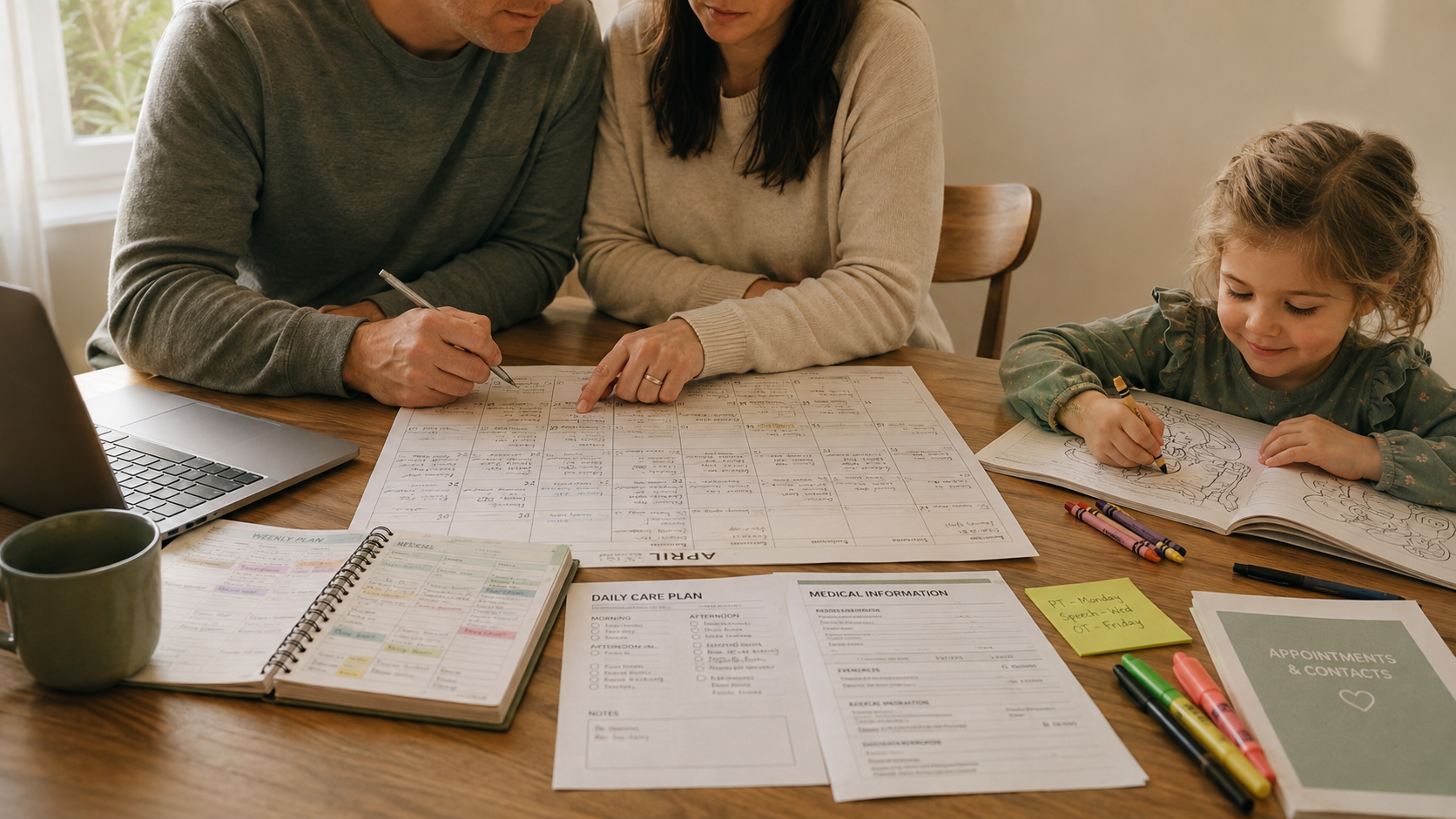
Ask most people to picture this kind of caregiving and they imagine the medical side. Hoen is clear that the medical work, relentless as it is, isn't the part that breaks families. The part that breaks them is everything around it: insurance approvals, billing, scheduling, chasing down a pediatric physical therapist, re-explaining the case to each new office. "Insurance paperwork never ends," she says. When she once asked a social worker how families cope, the answer was blunt: "Usually the mom quits her job."
The coordination load is just as invisible. Hoen gets care across two health systems, and she is the connective tissue between them. She carries the history, translates one team's recommendations for the other, and assembles it all into a plan that works for her family. No one is paid to do that job, so she does it, on top of everything else.
This is why her sharpest line doubles as a challenge to the field: "Our kids are not a burden. What is burdensome is trying to live in a world that's not set up to support you." The load she carries is not a fact of her son's condition. It is a product of how we have built the system around him, which is to say it is something we could choose to build differently. A dedicated caseworker who owned the paperwork and approvals would give hours back to a parent whose time is the scarcest resource in the whole arrangement.
We don't count family well-being, and it costs us
As an epidemiologist, Hoen knows exactly how cost-effectiveness studies work, and she is honest about what they leave out. "I think it's really hard to take into account family well-being in those equations." Leaving it out produces what she calls a false economy. Support that keeps a parent healthy enough to keep caring for their child isn't a soft benefit. It is the thing the entire arrangement depends on.
She has seen what it looks like when a system invests in this. At a complex care clinic she drives a long way to reach, the team works from a whole-child and whole-family view, appointments aren't rushed, and clinicians come to the room instead of scattering the family across a building. On one visit, a specialist adjusted her son's equipment on the spot, to the doctor's specifications, without Hoen having to relay anything. Getting several team members in one room on a single day is something she calls magical, because it saves a family days away from work and school. None of that requires a medical breakthrough. It requires organizing care around the family's reality instead of the institution's convenience.
Her own prescription is modest and, I think, correct: give care teams and families more room to build individualized plans, because no two of these situations are alike.
Why this belongs in the redesign conversation
Hoen isn't asking for sympathy, and she is careful to say her life with her son is rich and joyful. "I don't really, anymore, see it as good or bad. It's just a lot." What she is describing is closer to a design brief. If we are serious about redesigning care for this population, the work starts with the people already holding it together, and with the labor we have never bothered to count.
Listen to the full conversation on unleashedpodcast.org, Spotify, or Apple Music.
Unleashed: Redesigning Health Care is a podcast hosted by Glyn Elwyn and Chris Trimble that spotlights clinicians reinventing care delivery. Produced in affiliation with Health Care Management Education at Dartmouth, it's sponsored by The Dartmouth Institute for Health Policy & Clinical Practice and EBSCO Clinical Decisions.
Health Care Management Education at Dartmouth is a joint venture between the Tuck School of Business and Geisel School of Medicine which delivers the Master of Health Care Delivery Science (MHCDS) and Master of Health Administration (MHA) programs.